How Much Does a 12×24 Shed Cost?
If you are planning to add a 12×24 shed to your property, one of the first things that comes to mind is the price. A shed of this size is popular because it offers plenty of room for storage, workshops, or even a small office space. The cost can vary a lot based on the materials used, the type of build, and the extra features you choose.
On average, a 12×24 shed can cost anywhere between a few thousand dollars on the low end for a basic kit, to well over ten thousand dollars for a fully custom design with professional installation. Prefabricated sheds usually sit in the middle of this range, while custom builds with insulation, electricity, or unique styles can push the cost higher.
The price you pay will depend on your choices and how much work you want to do yourself. Some people go with DIY kits to save money, while others prefer professional builds for long-lasting results. In the following sections, you will see what affects the price, how different options compare, and ways to get the best value.
Average Cost of a 12×24 Shed
A 12×24 shed is considered a large shed, so the cost is usually higher than smaller options. Still, the price can fit different budgets depending on the type of shed you choose.
- DIY Kits: These usually cost between $2,000 to $2,500. They come with pre-cut materials and instructions, but you will need to put in the time and effort to build it.
- Prefab Sheds: The cost typically falls between $8,000 to $15,000. These sheds are built in a factory and delivered to your location, which makes installation faster.
- Custom-Built Sheds: Prices often start around $12,000 and can go beyond $25,000 if you add extras like insulation, electrical wiring, windows, or a loft.
Many suppliers also offer financing options, but the overall expense will still depend on the features you pick. Having a clear budget in mind before shopping will help narrow down your choices.
Factors That Affect the Price of a Shed
The cost of a 12×24 shed is shaped by many different factors. Knowing what adds to the price will help you plan better and avoid surprises.
1. Different Material Choices for the Shed
The material of your shed has one of the biggest impacts on price, durability, and appearance.
-
Wood Sheds: These are often the most expensive because lumber costs more and requires more labor to cut and assemble. However, wood gives a classic look and can be painted or stained to match your house. It also provides strong walls for hanging shelves or tools. The downside is that wood needs regular care, like painting or sealing, to protect it against rot, pests, and moisture.
-
Metal Sheds: These are usually the cheapest option, sometimes priced at half the cost of wood sheds. Metal panels make installation faster, and they can resist fire and pests. The main concern is rusting in damp or coastal areas. Some modern metal sheds come with galvanized coatings that slow down rust, but they still may not last as long as wood or vinyl in wet climates.
-
Vinyl or Plastic Sheds: These sit in the middle in terms of cost. They don’t need painting, they are resistant to rot, and they usually come in easy-to-assemble kits. Vinyl sheds are lighter than wood, which can make them easier to set up, but they may not feel as solid. Still, for low maintenance, they are a strong choice.
2. Roof Style and Design
The roof you choose changes both the cost and the usability of your shed.
-
Gable Roof: The simplest and cheapest style. It looks like a small house roof with two slopes meeting in the middle. This is the most common choice for budget buyers.
-
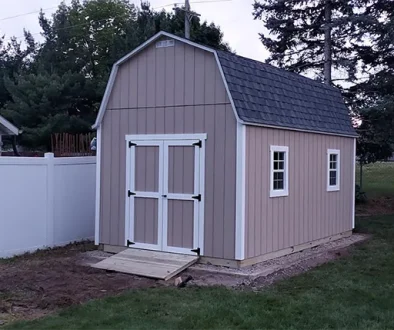
Barn-Style Roof (Gambrel): This style adds more headroom inside, often making space for a small loft. It looks attractive and gives more usable storage space, but it requires more material and time to build, which increases the price.
-
Modern or Custom Roofs: Flat roofs, hip roofs, or sheds designed with unique architectural styles cost more. These are usually chosen for design appeal rather than saving money.
3. Foundation Options
A shed is only as good as the base it sits on. The foundation not only affects stability but also adds to the budget.
-
Gravel Base: This is the cheapest option and works well for smaller or lightweight sheds. Gravel allows for good drainage and helps keep moisture away from the shed floor.
-
Concrete Slab: A full concrete base is the strongest option and ideal for larger sheds like 12×24. However, it adds significant cost due to materials and labor. It can easily add $1,000–$2,500 to the project, depending on your location.
-
Wooden Platform: A middle-ground option. A treated wood frame with decking boards provides a sturdy, level surface for the shed. It costs less than concrete but more than gravel, and it gives good support for heavy storage.
4. Labor and Installation Cost
Who builds the shed makes a big difference in the final bill. If you are comfortable with tools and construction, building a shed yourself is the cheapest way. You’ll save thousands in labor costs but spend a lot of time. A large 12×24 shed may take a team of two people several days to complete.
Hiring experts means you get a shed built faster and to a high standard, but you will pay for it. Labor can cost anywhere from a few hundred dollars for simple assembly to several thousand dollars for complex builds with foundations and customization.
5. Customization Options that Raise Cost
This is where prices can climb quickly.
-
Adding extra windows, skylights, or double doors can add $200–$1,000, depending on the design.
-
Shelving, loft storage, and workbenches increase usability but raise costs.
-
Electrical wiring is one of the most expensive upgrades, adding $500–$2,000 if you want lighting, outlets, or climate control.
-
Insulation is useful if the shed will be used as a workshop, office, or studio. It improves comfort but adds hundreds of dollars in both materials and labor.
6. Delivery and Site Preparation Cost
These costs are often overlooked, but they can’t be ignored. Large prefab sheds or kits can cost several hundred dollars to ship, depending on the distance. Some companies include delivery in the price, but others don’t. Clearing trees, leveling the ground, and removing old structures can easily add $500–$1,500 to your total cost. If heavy equipment is needed to move the shed into place, expect extra charges.
Cost variation by Shed Type
Not all sheds are built the same, and the type you choose has a big impact on the final cost. A 12×24 shed can fall into three main categories: DIY kits, prefab models, and custom-built sheds.
1- DIY Kits
DIY shed kits are the most budget-friendly option. A kit for a 12×24 shed usually ranges between $4,000 and $8,000. The materials are pre-cut and come with instructions, but you will need tools, time, and some building experience. This choice can save money if you are comfortable with construction.
2- Prefab Sheds
Prefab sheds are built in a factory and then delivered to your property. Prices often fall between $8,000 and $15,000, depending on the design and materials. They take less effort on your side since most of the work is already done. Installation is quicker, which makes this option popular.
3- Custom-Built Sheds
Custom sheds offer the most flexibility but also come at the highest cost. Starting at around $12,000, they can go over $25,000 with upgrades such as extra storage space, a loft, custom roofing, or utility hookups. This option is best for people who want a shed designed exactly to their needs. Each type has pros and cons. DIY works for saving money, prefab gives balance, and custom builds give maximum choice.
Hidden and Ongoing Costs of a 12×24 Shed
When planning for a shed, many people focus only on the upfront price. However, there are extra costs that often get overlooked. Keeping these in mind will help you budget more realistically.
Site Preparation Cost
Before the shed can be placed, the ground may need to be leveled, cleared of trees, or filled with gravel. This step can add a few hundred dollars to the project, and if a concrete slab is required, the cost can rise even more.
Permits and Local Rules
In many areas, sheds over a certain size require a building permit. The cost depends on local regulations and can range from a small fee to several hundred dollars. Do not ignore this step, as it can lead to fines or even the removal of the shed.
Maintenance Cost
Wood sheds may need repainting or staining every few years to prevent rot. Roof shingles may also need replacing over time. Even metal sheds require treatment to stop rust if they are exposed to moisture.
Utility Cost
If you plan to add electricity for lighting, outlets, or even heating, the cost will increase. Running power lines or plumbing to the shed can easily add thousands to the total. These hidden and ongoing costs are not always included in the shed’s price tag, but they play a big role in how much the project really costs in the long run.
Lifespan of 12×24 Shed
The cost of a 12×24 shed is not just about what you pay upfront. How long the shed lasts and the value it gives over time are just as important. Wood sheds are strong and traditional, often lasting 20 to 30 years with regular care such as painting and roof maintenance. While metal sheds are usually cheaper, but can be affected by rust if not treated properly. Lifespan is often 10 to 20 years, depending on the climate. The vinyl or resin sheds require very low maintenance and are resistant to rot, lasting around 20 years or more.
Cost of Shed Per Year of Use
Thinking in terms of cost per year makes it easier to see long-term value. For example, a $12,000 wooden shed that lasts 25 years costs about $480 a year. A $7,000 shed that lasts only 10 years ends up costing $700 a year.
Smart Tips to Save Money on a 12×24 Shed
Buying a shed is a big investment, but there are simple ways to keep costs under control without giving up quality.
- Shed suppliers often offer discounts during colder months when demand is lower. Plan your purchase in the off-season to cut down the price.
- Prices can vary widely between local builders, large retailers, and online suppliers. Take time and compare quotes to find better deals.
- A basic gable roof and standard doors cost less than barn-style roofs or custom windows. Choosing a straightforward design helps reduce expenses.
- If you are comfortable with tools, you can save money by handling the foundation, painting, or interior finishing yourself, even if you buy a prefab model.
- Sometimes, smaller local companies offer better prices and more flexibility than big-box retailers. Choose local shed builders and save on delivery costs.
By making wise choices and avoiding unnecessary extras, you can get a shed that fits your budget while still meeting your needs.
Wrapping Up
A 12×24 shed is a solid choice for anyone who needs extra space for storage, hobbies, or even a workshop. The price can range widely, starting around $4,000 for basic DIY kits, climbing to $15,000 for prefab sheds, and reaching $25,000 or more for custom builds with upgrades. The total cost depends on factors such as materials, design, foundation, labor, and the extra features you decide to add.
Keeping in mind hidden costs like permits, site preparation, and long-term maintenance helps set a realistic budget. Looking at the shed as a long-term investment also makes sense, since a well-built shed can serve you for decades and even add value to your property.
By planning carefully, comparing options, and avoiding common mistakes, you can choose a shed that fits your needs and budget while giving you the best return for your money.