Which direction should a shed face?
Are you considering building an on-site custom storage shed but unsure about the best direction it should face? The orientation of your shed plays a crucial role in its functionality, comfort, and insulation. To get the most out of your shed, it’s essential to understand the benefits and considerations of each possible direction. In this Shed Orientation Guide, we’ll explore the key factors that influence the best orientation for your structure, helping you make a well-informed decision that perfectly suits your needs!
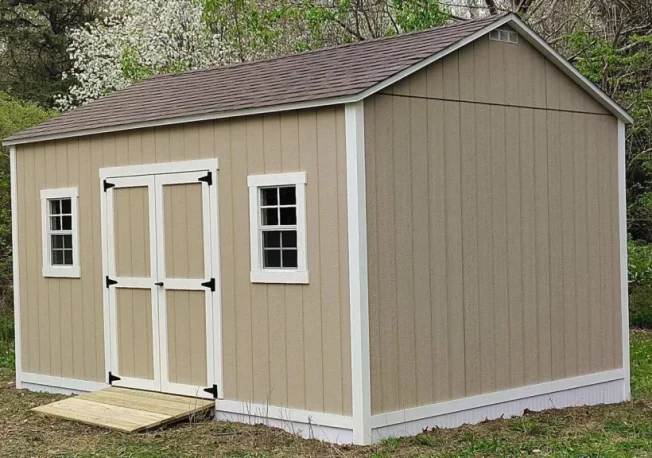
Factors to Consider:
1. Sun exposure:
Which side of the shed will receive more direct sunlight? Depending on your yard, location, and climate, you’ll want to make sure that your door and windows are positioned so they can take advantage of the sun’s natural warmth. If you live in a cooler climate, facing north or south is the best option to allow the sun’s rays to heat your shed in winter.
2. Wind direction:
To reduce the potential damage from strong winds, it’s best to build your shed to avoid the prevailing wind direction. This position will help minimize force on the walls, double doors, and roof of your structure – ensuring it lasts for years to come!
3. Access:
When deciding which direction to face your shed, consider where the main access point will be. If you plan on having a large driveway or patio area for yourself and guests to access the shed, this should be considered when orienting your backyard and structure.
4. Privacy:
Privacy is an essential factor when deciding which direction to face your shed. If you want extra privacy, orient the shed to face east, away from public areas, trees, or roads. This will ensure your structure isn’t visible from other homes or passersby.
5. Utility connections:
Finally, consider any utility connections, such as electricity, water, and sewer, that may be necessary for the shed to remain up. It’s best to build your structure so that all of these are easily accessible – keeping in mind where the nearest connections are located.
6. Aesthetics:
The orientation of your shed can also affect its aesthetics. Facing or opening the structure in a specific direction could make it more appealing from the outside – adding a bit of character to your outdoor storage space.
Tips for Maintaining Your Shed no Matter Which Way it Faces:
1. Regularly inspect the roof and walls for any signs of damage.
2. Check all windows and doors to ensure they are securely shut.
3. Clean any rain gutters regularly to ensure that water is being drained away from the structure.
4. Sheds made with wood siding; apply a fresh coat of paint or waterproof sealant every few years to help keep the shed in top condition and weather off.
5. Check for any signs of pests or animals nesting inside the garden shed.
6. Lubricate all locks and hinges to ensure smooth operation.
7. Check for any signs of rust and replace any rusty components.
8. Make sure that all electrical connections are safely and securely connected.
10. Keep the flooring clean and free of debris.
Common Mistakes People Make When Choosing Which Direction to Place Their Sheds:
Not taking into account the climate and wind direction:
When deciding which direction to face your shed, make sure you consider the prevailing winds, as well as the climate of the sun, to move your area. Facing away from the prevailing winds will ensure that your shed is better protected in intense storms, while positioning it to the west to take advantage of the sun’s warmth in cooler climates can help to keep your shed warm.
Failing to consider utility connections:
If you’re planning on having a garden or shed connected to utilities such as electricity, water, and sewer, consider where the nearest connections are located before deciding which direction to face your structure.
Ignoring aesthetic appeal:
Although it’s important to think practically when choosing which direction to face north of your shed, it’s also essential to pay attention to the aesthetic appeal of the north-facing structure. Facing your shed in a specific direction could make it look more attractive from the outside while also helping to improve its insulation levels.
Building too close to other structures:
Building your shed too close to another structure, such as a house, garage, or fence line, could cause problems with insulation and access. Ensure to leave enough room between the two structures for air to flow freely and for easy emergency access.
Stop Guessing – Calculate Your Perfect Shed Budget!
Our effortless buying process makes it easy to customize your storage shed.
Follow Our Shed Orientation Guide
Choosing the correct orientation for your shed is an important decision, as it can considerably impact its performance. You can make an informed decision after consulting shed expert. Also consider the factors, such as the climate and prevailing winds, utility connections, aesthetic appeal, and structural damage. Regularly inspecting and maintaining your shed can also help ensure that it remains in top condition no matter your chosen direction. With this information, you should now feel confident choosing the best direction for your shed!
FAQs:
Q: What are the benefits of having a north-facing shed?
Having a north-facing shed can provide protection from strong stormy weather and extreme weather and shade from the intense summer heat. Additionally, it can help to keep your shed cool in warmer climates.
Q: How do I ensure my shed remains well-lit if facing north?
To ensure that your shed remains well lit despite facing north, you can install a skylight or use solar-powered lights.
Q: What should I know when deciding where to place my shed?
When deciding where to place your shed, it’s essential to consider the prevailing winds as well as the climate of the area. Additionally, you should ensure enough room between your shed and any other structures, such as houses or fences, for air to flow freely and for easy access in case of emergencies.
Q: Is building my shed close to a property line safe?
Building your shed only a short distance from another property line or a buried power line is generally not recommended. To ensure that your shed remains safe, leave enough space between the two structures for air to flow freely and for easy access in case of emergencies. You will also want to consider zoning requirements as they pertain to property line distances.
Q: Is it better to have a north or south facing shed?
It depends on where you live and what types of weather conditions you typically experience in your area. Generally speaking, a north facing shed can protect from intense storms and extreme weather, while a south facing shed can help keep the structure warm during winter. Additionally, a south facing shed may be the better option if you’re looking for bright natural light throughout the day.
Q: Are there any special considerations for sheds in light sensitive areas?
If your shed is located in a light sensitive area, such as near an airport or military base, then you should be mindful of the regulations and restrictions in place. Additionally, it’s essential to consider the type of construction materials and design features that will help to reduce the amount of light reflection, such as having reflective surfaces facing away from the sensitive area.
Q: What is the best way to ensure my shed remains in top condition?
The best way to ensure your shed remains in top condition is by regularly inspecting and maintaining it. This means checking for any signs of structural damage, as well as checking for any insulation needs that your shed may have. Additionally, it’s essential to make sure that you take the necessary steps to protect your shed from environmental factors such as excessive moisture or extreme temperatures. By taking these precautions, you can help ensure that your shed remains in top condition no matter which direction you choose to face it.
Q: What can I do if my shed is facing east and gets too much morning sun?
If you find that your shed is getting too much morning sunlight due to its east-facing orientation, you can look into options such as shade sails or other forms of window coverings to help protect the structure from excess heat.